To better understand how students in our region are making decisions about life after high school, the SRPC piloted a project informed by the students themselves. We aimed to uncover what influences students’ pathways and how our institutions can better support them as they navigate these important decisions.
About the Project
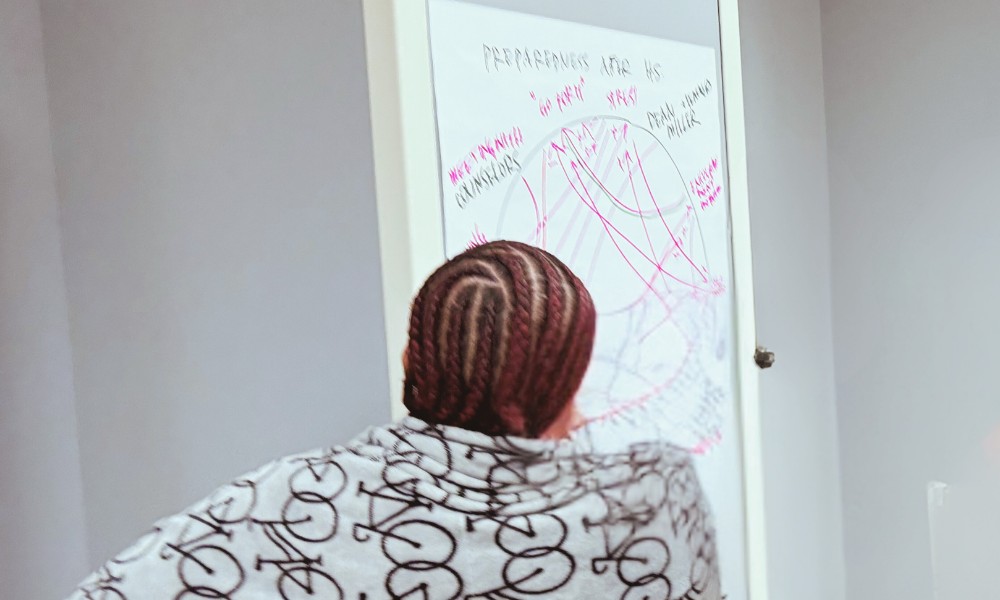
In 2025, the SRPC partnered with a journalism class at a local high school to get real, honest answers about how students are thinking about life after high school. Instead of being solely the subjects of the study, students also became the researchers. They used interactive systems thinking activities to map out the complex world of post-high school decisions. The model they developed then guided them in creating podcast interview questions to ask their peers, ensuring the research was relevant and impactful for teens.
What We Heard
This youth-centered pilot uncovered some powerful insights into what helps-and what hinders-students as they plan for the future. Students were asked to indicate “how much each of the following people influence your thinking about your education/career plans after high school.”
Adults have a strong influence on students’ planning for life after high school. Parents, guardians, high school counselors, teachers, and siblings had more impact than friends on career plans for this group of students.
Key Insight
Listen to the Conversations
Explore the 4-part podcast series developed by the students on the Titans Talk series.


This youth participatory research project is funded by the National Network of Educational Research Practice Partnership.